What you’ll discover in ‘International Women’s Day 2026 – A Florist’s Perspective!‘:
About International Women's Day
International Women’s Day (IWD) is annually on the 8th March. Whilst it means different things to different people, it’s a global event that recognises and celebrates the resilience, achievements and contributions of women. Whether that’s recognising the social, economic, cultural, and political achievements of women, or – perhaps more relevant when it comes to giving flowers – personal appreciation.
International Women’s Day has existed for well over a century and is not tied to any specific country, group or organisation, but is instead considered a global movement, powered by the collective efforts of all. Despite the varied traditions, for many the day continues to raise awareness of gender equality and women’s rights worldwide.

Flowers for International Women's Day
Whilst it’s not often the case in most areas of the UK, giving the gift of flowers on International Women’s Day, for many is the norm.
Men and women alike give flowers to show their appreciation for the women in their lives on IWD. For many, mimosa is the official flower of International Women’s Day, however, for others they would put tulips, carnations or roses as their top choice. You don’t need us to tell you there are many other flowers to make the International Women’s Day celebration beautifully memorable. Below we’ve shared a few flowers for International Women’s Day and the message that some believe they share.
Best flowers for International Women’s Day
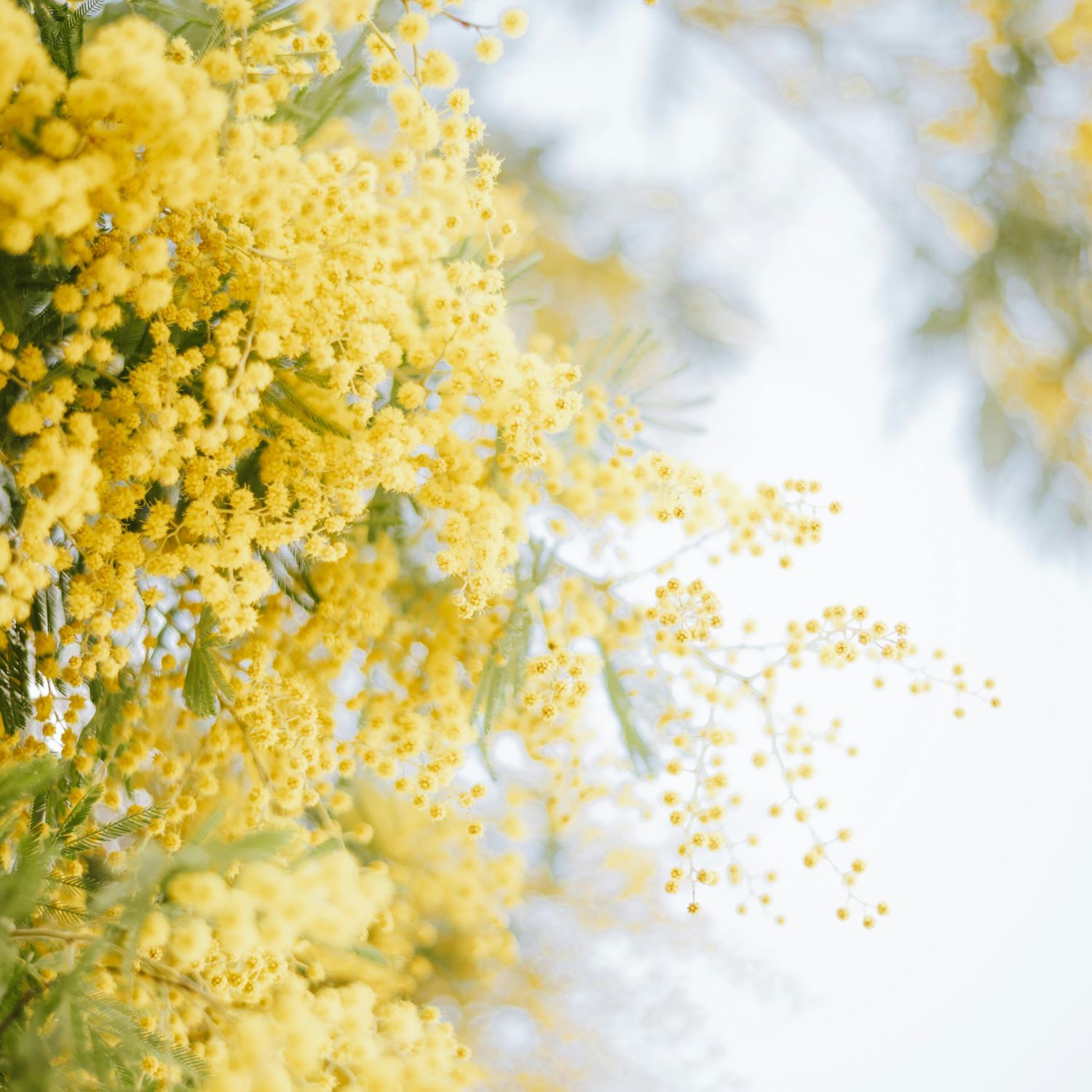
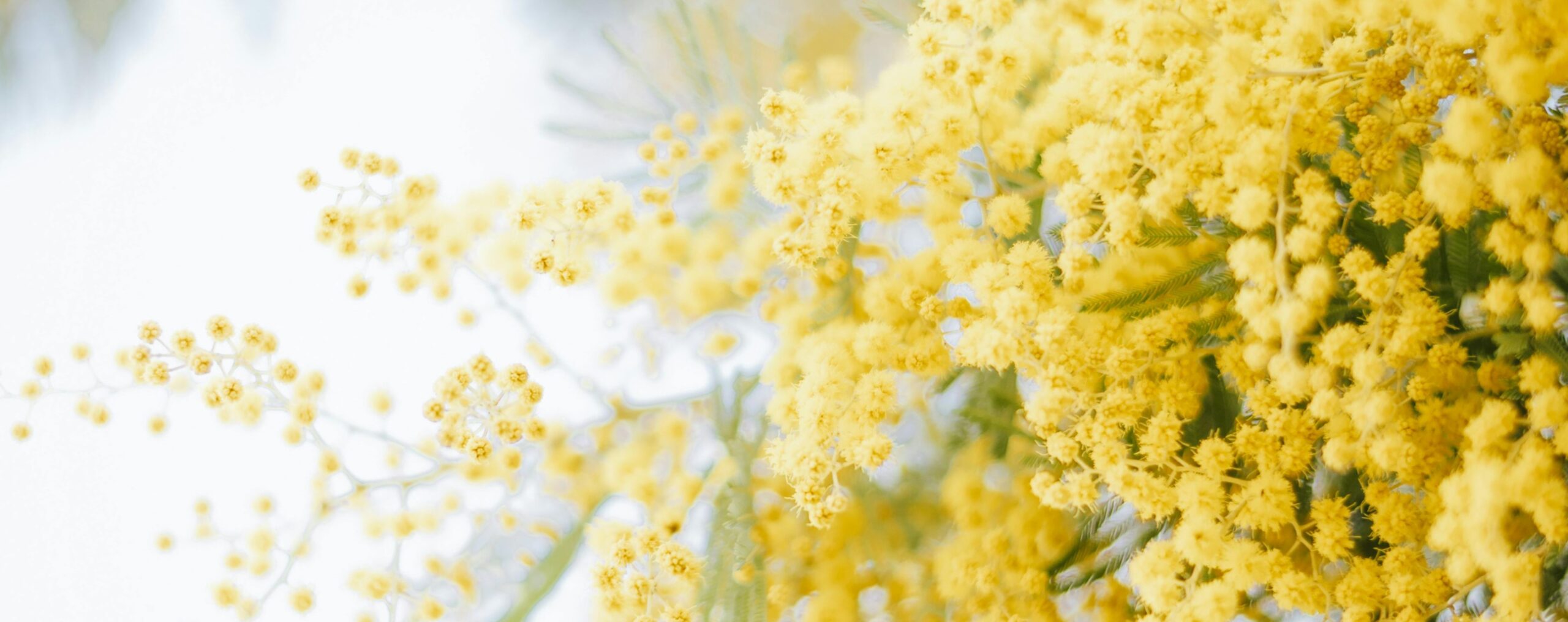
Mimosa – the official floral emblem of the occasion
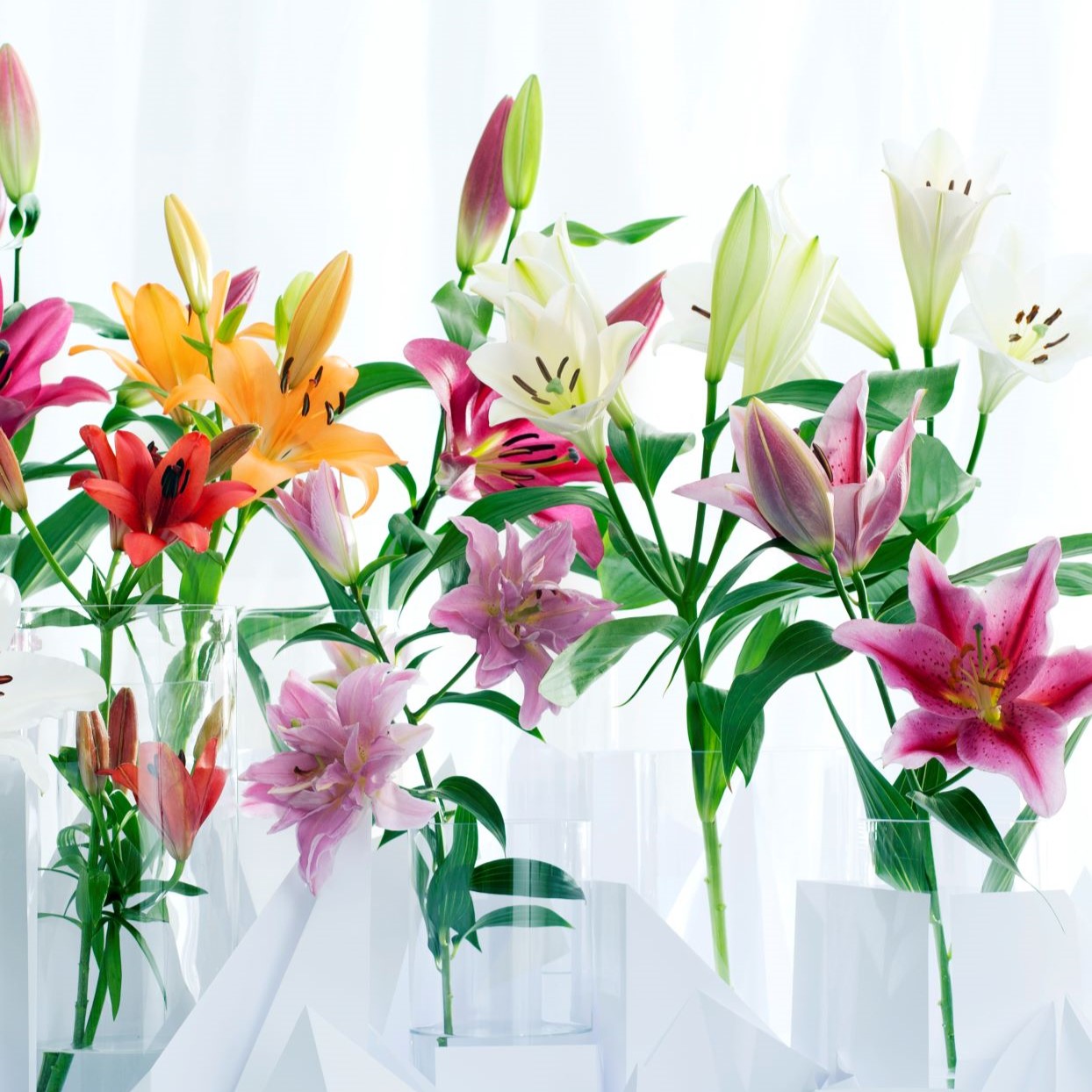
Lilies – Elegance, Hope and Renewal
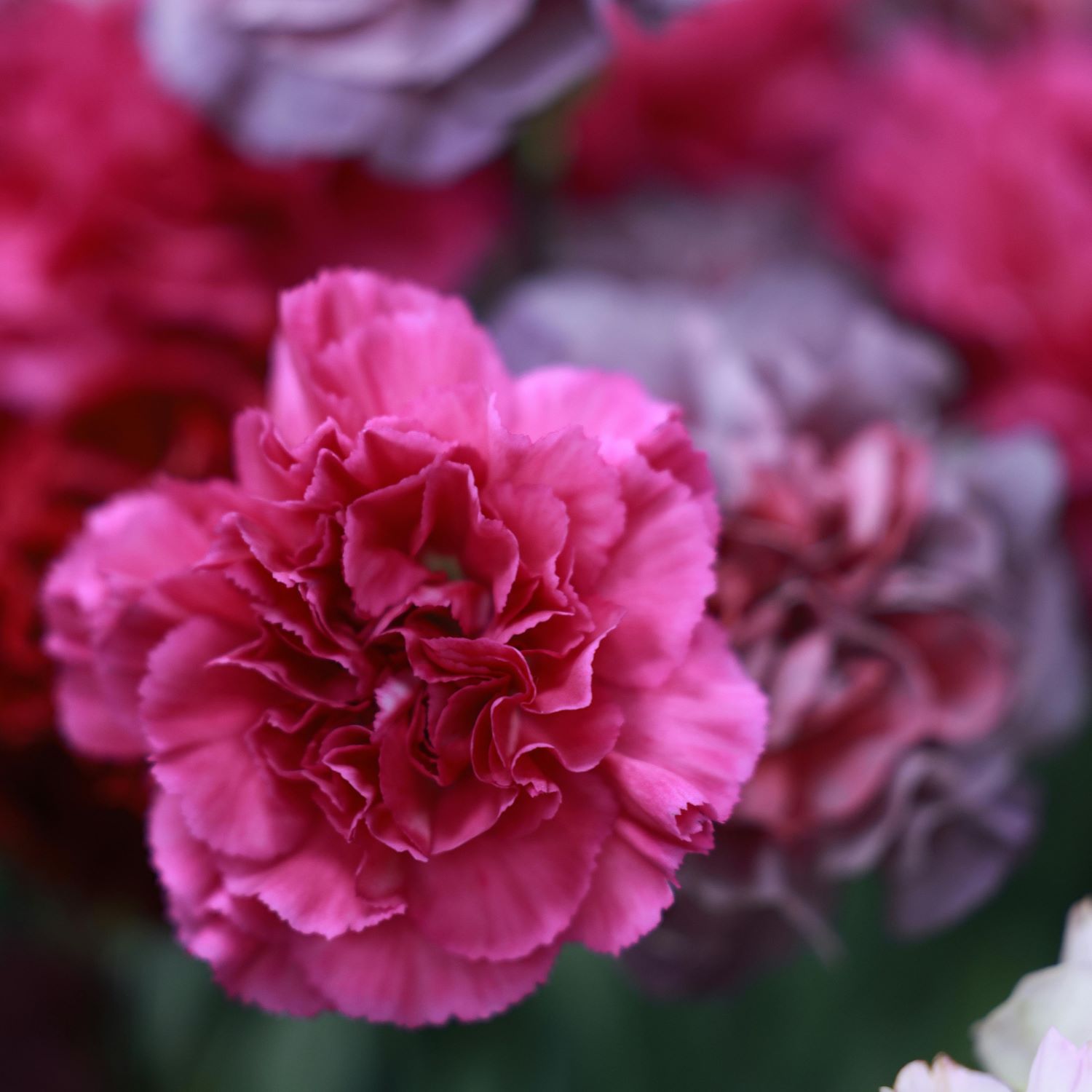
Carnations – Friendship and Gratitude
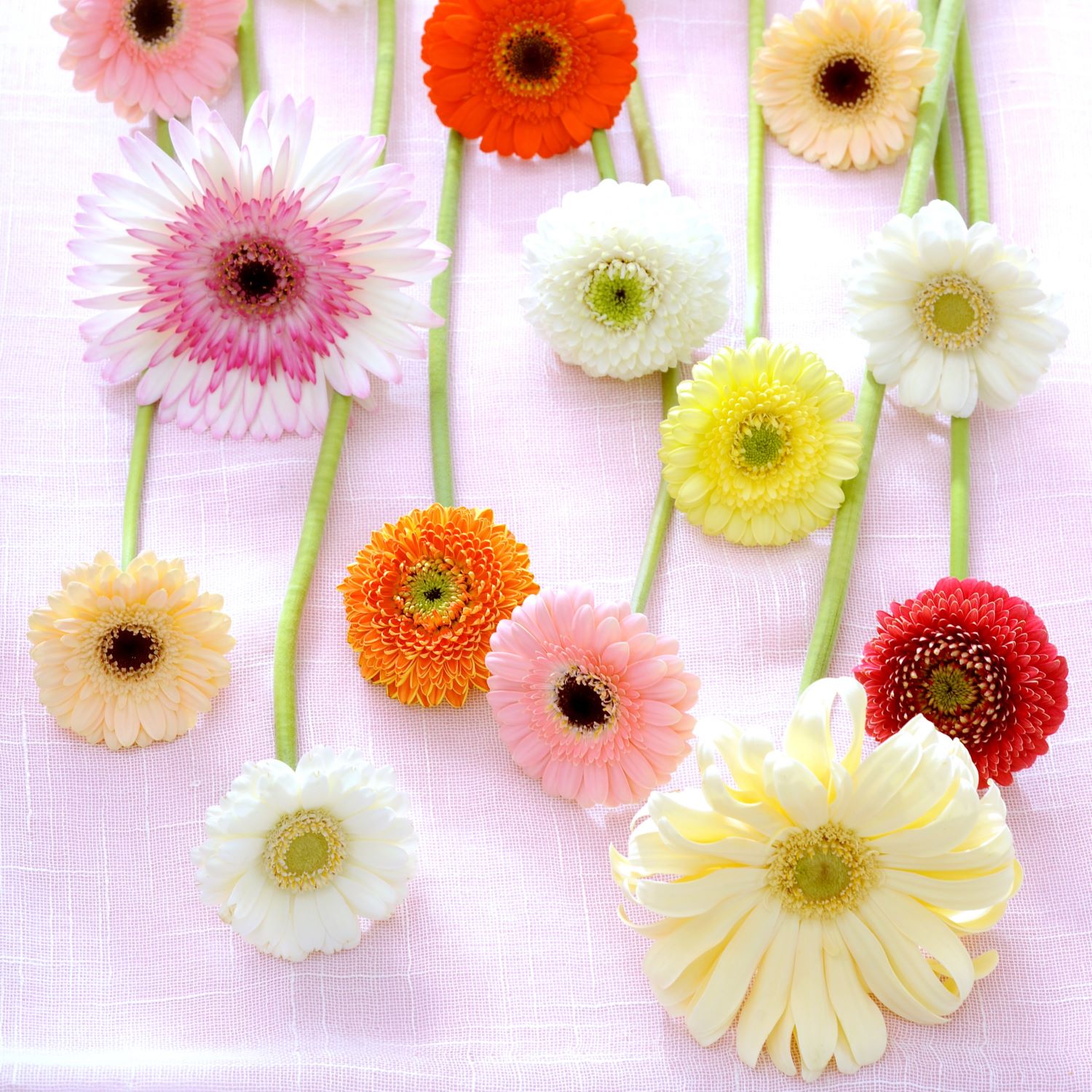
Gerbera – Optimism and Admiration
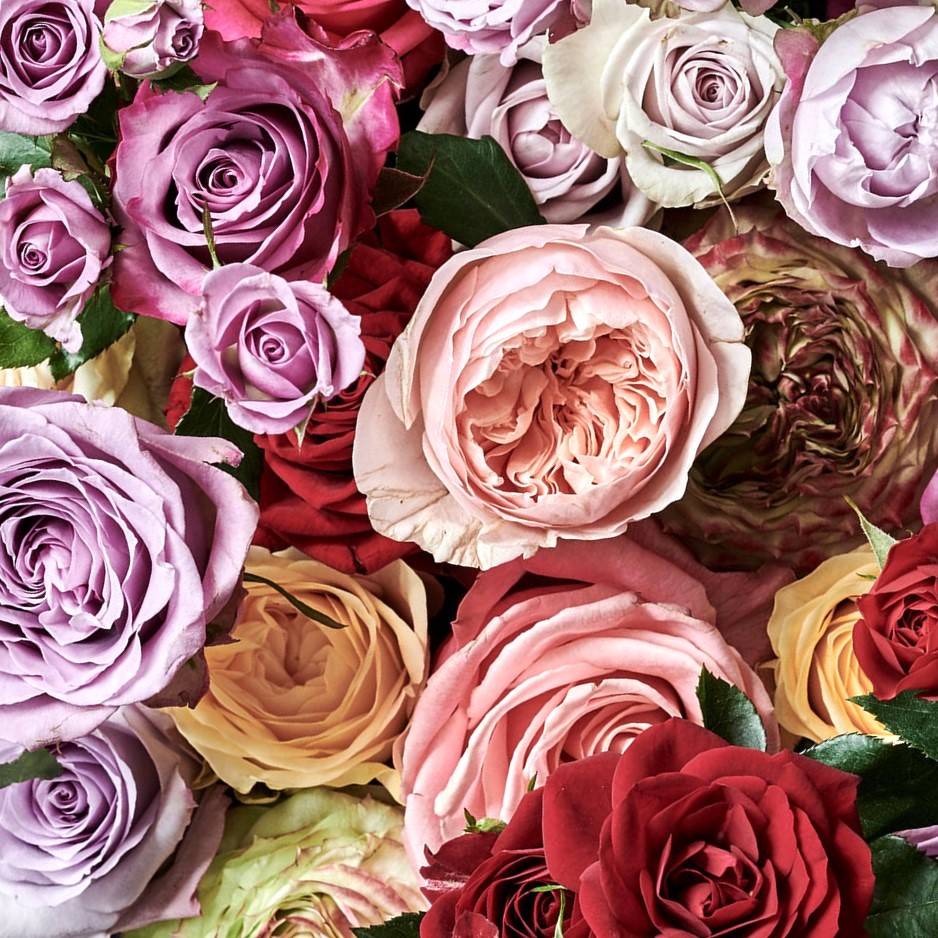
Roses – Admiration, Respect, Honour, Success, Friendship, Joy and Love
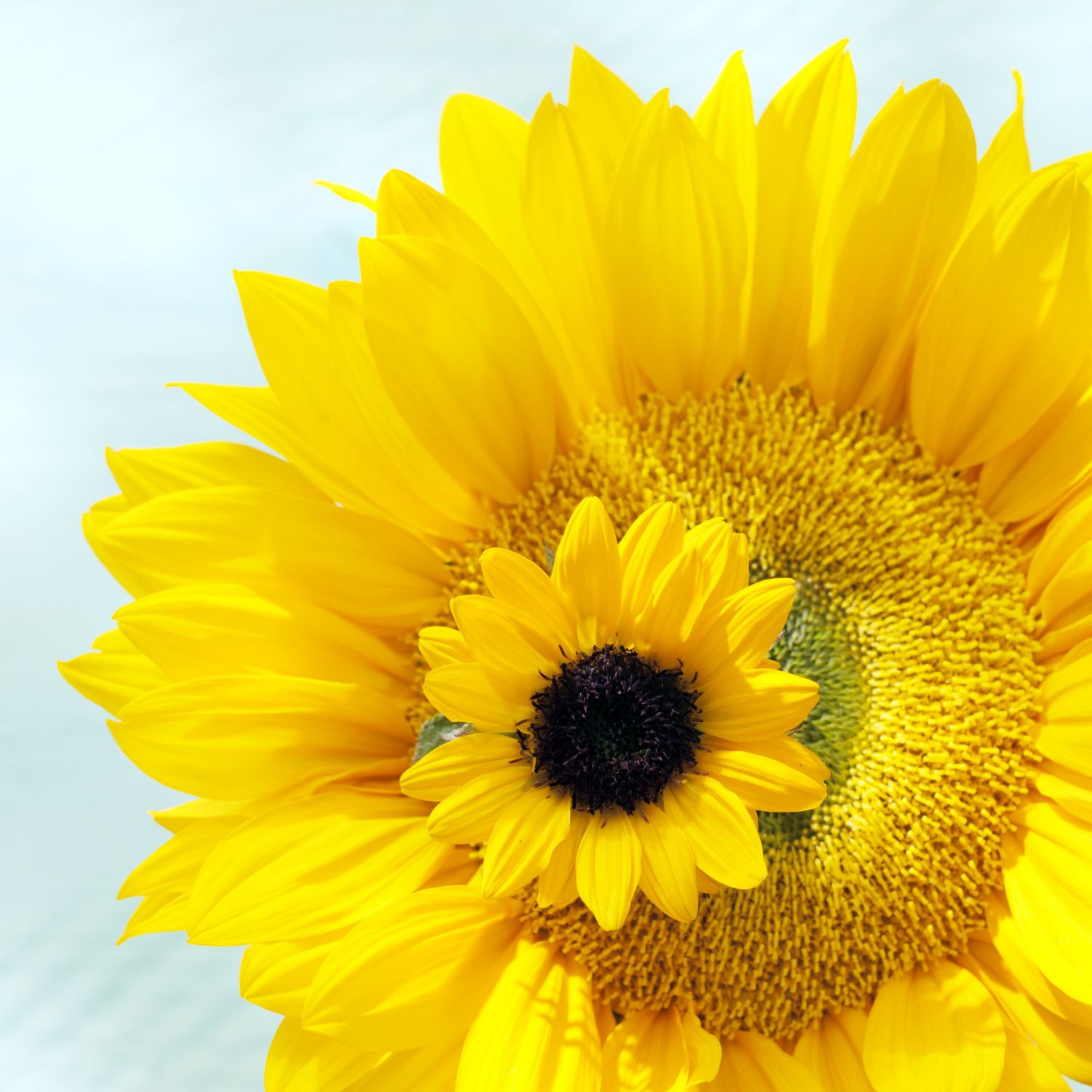
Sunflowers – Strength and Empowerment
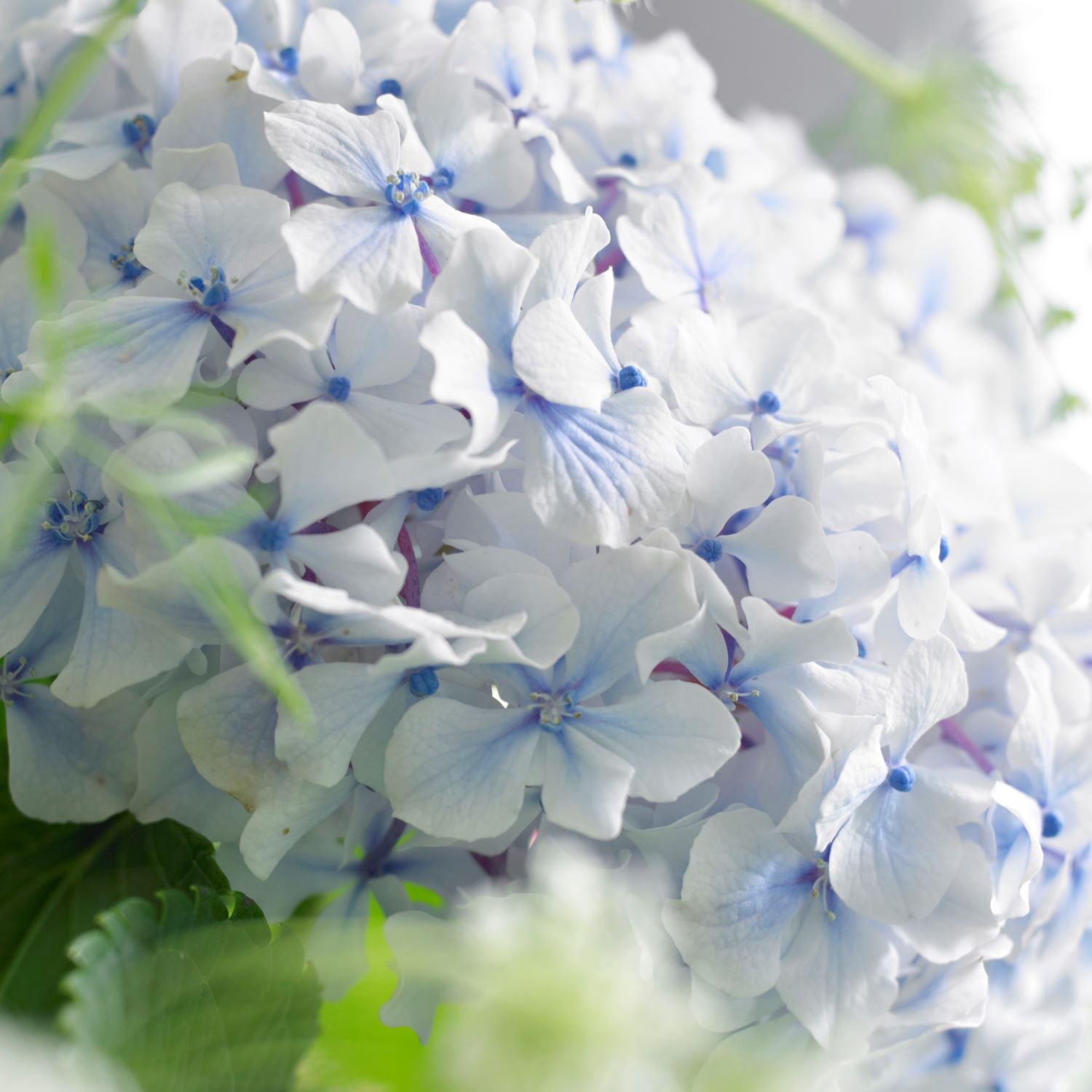
Hydrangea – Gratitude and Understanding
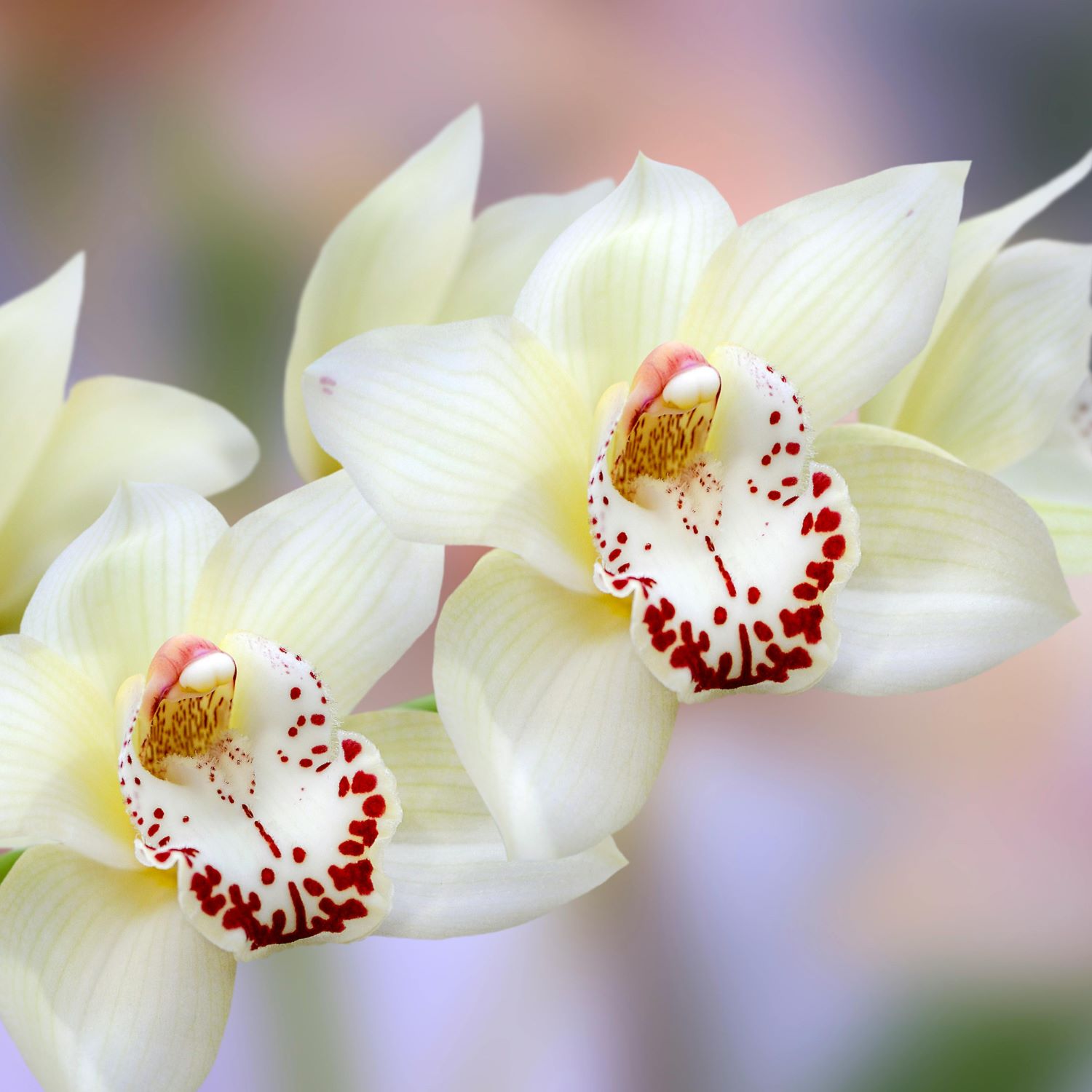
Orchids – Strength, Beauty and Resilience
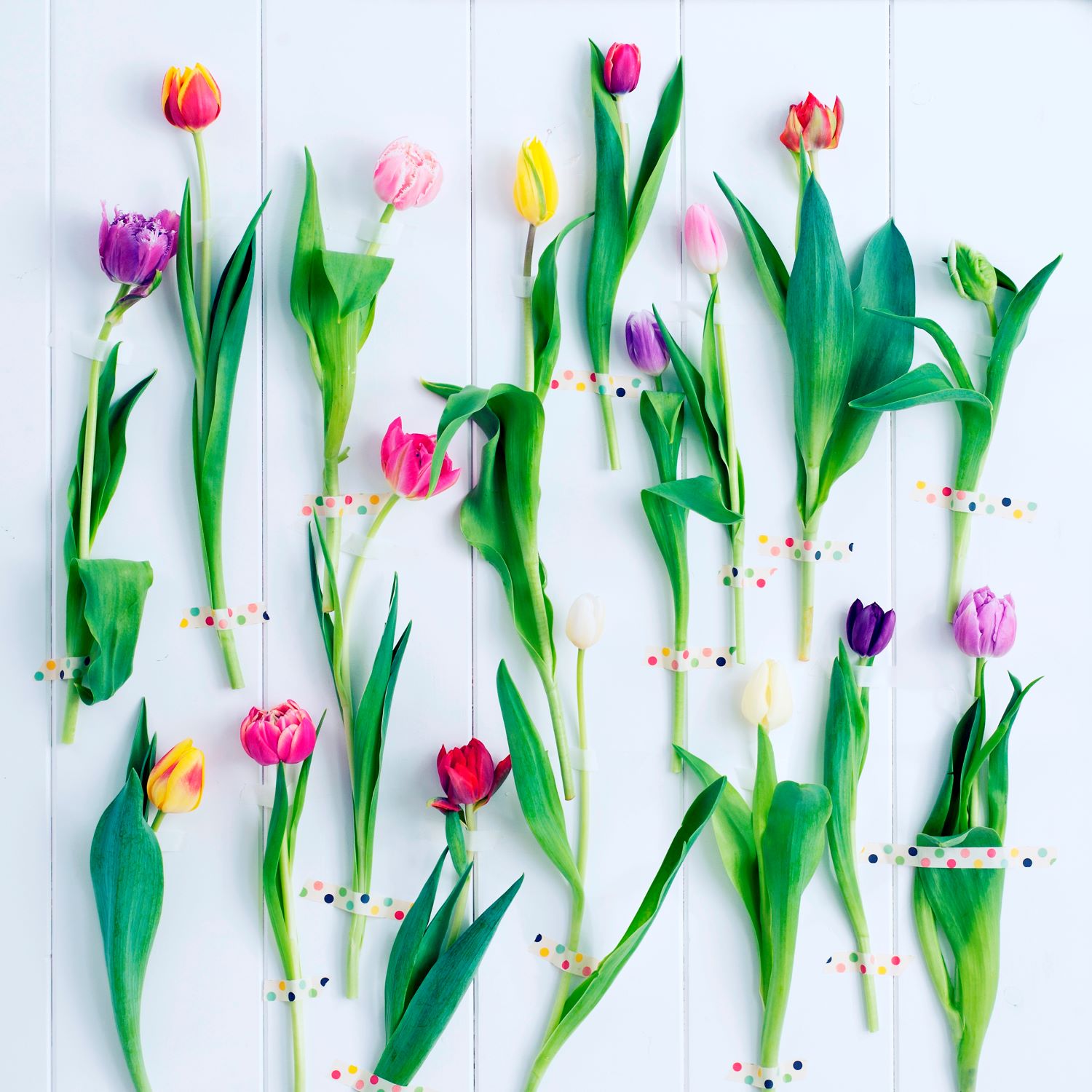
Tulips – Respect and New Beginnings
Promotion & Opportunities
IWD is becoming increasingly recognised and celebrated worldwide, creating a sales opportunity for florists who can gently encourage the giving of flowers for this occasion. In the UK, its timing on 8th March is around 3 weeks after Valentine’s Day and depending on the year close to (and occasionally on) Mother’s Day, which can cause the promotion of this occasion for mothers or significant others to be problematic – unless it’s already deep rooted in their culture. However, that doesn’t mean we don’t have other opportunities.
Appreciation in the workplace
Is this a great opportunity for businesses to show their appreciation and honour their female employees? Consider contacting your corporate clients, be specific in your suggestion. A small token, such as a bunch of gift-wrapped English daffodils for all female staff, could be excellent in many ways. For you as the suggesting florist to connect with the company, and for them to show and gain great appreciation to and from their female employees.
Connecting and standing out
A large part of IWD is all about impacting positive change for women. Could you and your business offer a specific design, with each sale contributing a donation to a local women’s charity? This could show that your business cares about societal causes.
Alternatively, a social media competition giving a stunning bouquet to a worthy woman could be an excellent promotional event. Asking followers and readers to share their nominations for a worthy local woman, is another simple opportunity. With little effort or outlay, the post could gain a lot of traction and be shared again and again.
Did you know?
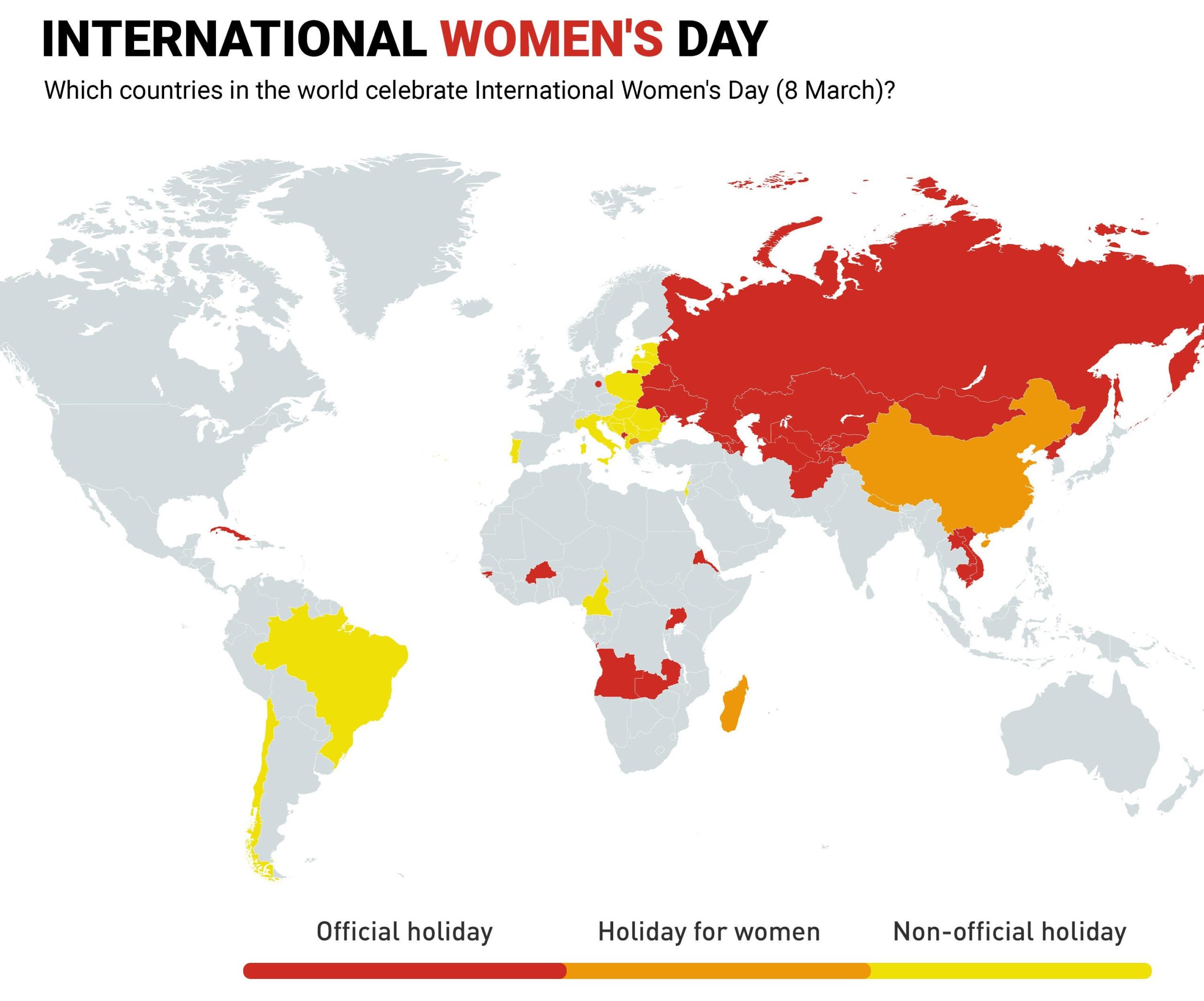
As we share in greater depth below, International Women’s Day is an official national holiday in many countries and widely observed in many more, including the UK, Italy, Germany, Spain, Poland, Romania, Cuba, Ukraine, Russia, most of the “Stan” countries in Central and South Asia, China, Laos, Cambodia, Vietnam, Madagascar, Uganda, Zambia, Argentina and Chile and flowers are the most widely given gifts in most of those countries.
What International Women's Day means to Different Nationalities and Cultures
There’s growing recognition for International Women’s Day in the UK, especially in recent years. In 2026, it is marked by extensive activity across sectors, including corporate, governmental, and community initiatives.
Let's Encourage Flower Giving in the UK
Whilst Women’s Day is acknowledged, it’s not always celebrated with flowers. Many people are unsure whether this is the done thing, but, trends are shifting, and more people are embracing this thoughtful tradition. It’s one that we can encourage – all too often customers like to be given an excuse to give flowers – this could be the nudge they need.
UK & US: Growing recognition
In Western Europe and North America, Women’s Day, as we’ve shared above, is acknowledged but not always celebrated with flowers.
Poland, Romania, Serbia: Workplace tradition
In many parts of Central and Eastern Europe, flowers on IWD aren’t just for romantic partners. It’s common to give flowers to female colleagues, teachers, and even cashiers at shops you regularly visit! It’s a day of gift-giving and a day to celebrate women’s achievements and promote greater respect for women in general.
Eastern Europe and Post-Soviet countries: Flowers are a must
International Women’s Day is one of the most significant public holidays, especially in Russia, Ukraine, Belarus, or Moldova. Although it’s largely disassociated with it’s original political roots, instead recognising women in general terms through gift-giving. It is celebrated in some respects similar to Mother’s Day, but it’s a day that not just for Mums. Men don’t just buy flowers for their partners, they also give them to their mothers, sisters, teachers, colleagues, and friends.
Italy: Golden mimosa tradition
In Italy, Women’s Day is known as “La Festa della Donna”, a day dedicated to celebrating womanhood. It’s synonymous with yellow mimosa flowers, that are the official emblem of 8th March. It’s an iconic tradition to give gifts of mimosa, which is said to symbolise strength, sensitivity, and femininity. Women often gather for social outings, whether at restaurants, theaters, or parties, to celebrate their achievements and enjoy a day of camaraderie.
Germany: A Growing Movement for Equality
In recent years International Women’s Day has officially been recognised as a public holiday in two areas of Germany. Berlin, since 2019, and in the Mecklenburg-Western Pomerania region since 2022. These are the few places in Germany where people get the day off on the 8th March. However, on the whole it is not widely celebrated, although Germany has a long history of feminist activism and events are held to discuss gender equality issues, wage gaps, and women’s rights.
France: Cultural Events, activism and gifts
In France, women often receive gifts such as bouquets of flowers, and chocolates to celebrate International Women’s Day. It’s a day filled with both celebration and activism, reflecting the ongoing efforts to achieve gender equality in France. The streets will be filled with Women demonstrating and showing unity.
Spain: Feminist Protests, Strikes and appreciation
Spain has become known for its massive feminist marches on International Women’s Day. The 8M movement, short for 8th March, sees women across the country taking part in events advocating for equal rights and an end to gender-based violence. The streets of Madrid and Barcelona fill with thousands of women wearing purple, the official colour of IWD. Even for those not taking to the streets “Nosotras paramos” is the main slogan, which means moments of rest from daily chores and housework so as to show that this social role is also of great importance. Spain also focuses on honoring women on this day with gifts, especially flowers. In addition to floral bouquets, women often receive traditional sweets of Turrones, or Spanish nougat delicacies.
Brazil, Chile, Argentina, Colombia: Celebration of strength
In Latin America, International Women’s Day is about honouring women’s achievements and resilience. In Brazil it’s a holiday dedicated to valorização da mulher, or “woman appreciation”. Celebrations see a mix of cultural events, protests, and social gatherings addressing women’s rights issues. Many husbands, sons, and employers present the women in their lives with a buquê, or bouquet of flowers, while feminist groups take to the streets to demand justice for women.
Vietnam, and Southeast Asia: honoring the role of women
International Women’s Day is a day to push for progress in gender equality in these regions. The celebration and honoring the role of women in society is focused more on activities and event rather than gift giving. However, Vietnam has a unique, strong tradition of celebrating women on October 20th (Vietnamese Women’s Day). This is the main, country-specific holiday honoring women’s strength and role in society when the streets are filled with flowers, gifts, and celebrations for mothers, wives, colleagues, and friends.
China and the Far East: Half-Day Off for Women Employees
In China and across the Far East, International Women’s Day is observed with a mix of official recognition and commercial activities. On March 8th employers are encouraged to give their female staff a half-day off, allowing them to celebrate and relax. Many companies and institutions organise events such as speeches, award ceremonies, and gifts for their female staff. There’s also a strong commercial side to the day, men are encouraged to purchase presents for the women in their lives and retailers and brands also offer discounts and promotions, to market products targeting women.
Africa: Celebrating at different times
Africa celebrates women primarily on July 31st, which is known as Pan-African Women’s Day (or International African Women’s Day). Additionally, South Africa observes its own National Women’s Day on August 9th, often extending it into a full Women’s Month. Both honor the contributions, resilience, and rights of women across the continent.
We could, of course go on, but feel we have covered most countries that impact our own and cover it in any significant way. However, the map (published in 2019) also shows which countries recognise it as a public holiday.
Theme of International Women's Day 2026
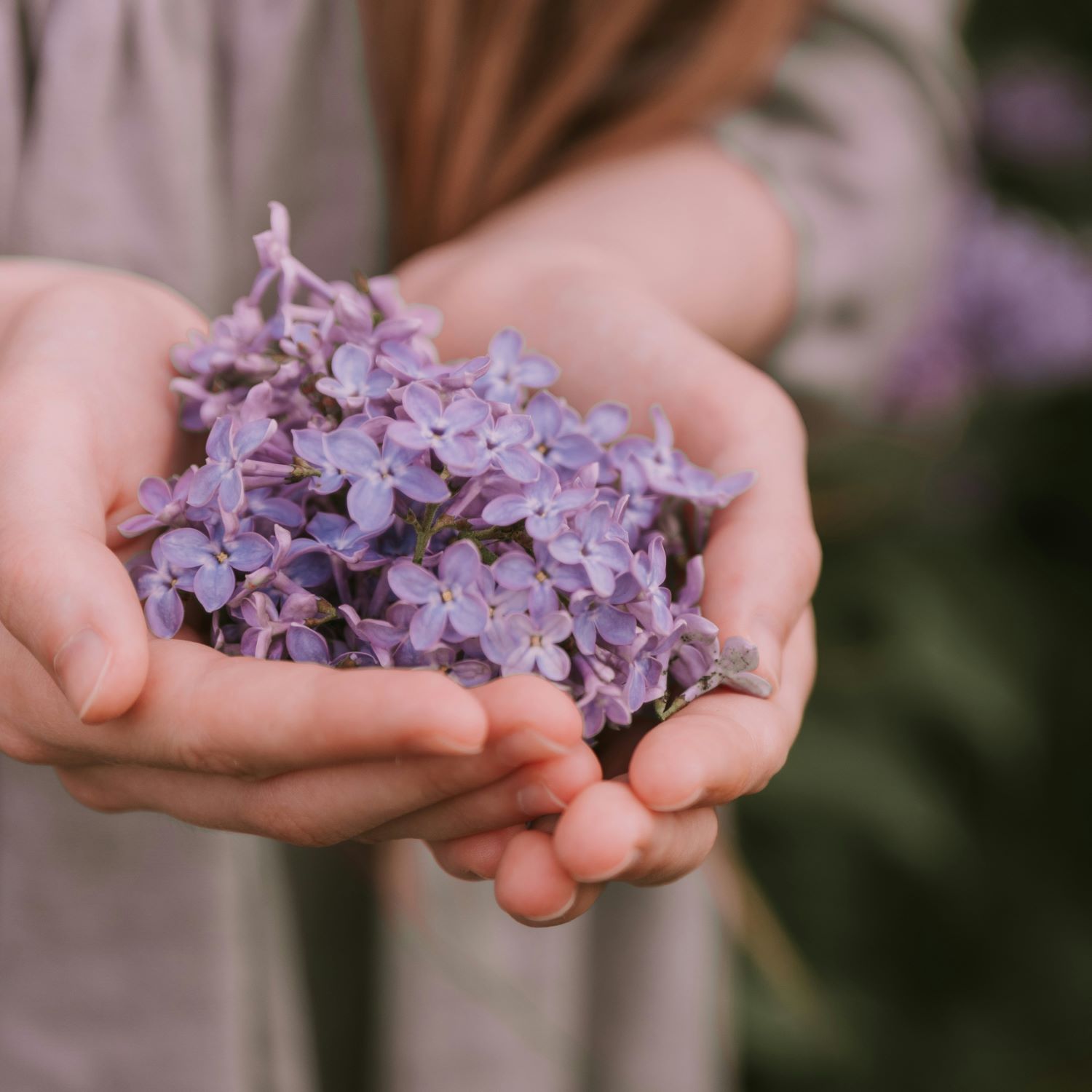
This year’s theme of International Women’s Day is “Give to Gain”. Whilst every year aims to recognise the achievements, resilience and impact of women everywhere, the 2026 theme encourages everyone to take meaningful action. To support the women in their lives, lifting others up and helping to build an environment where all people can thrive. Small actions matter, whether it’s championing someone’s idea, offering mentorship or simply acknowledging the women who inspire them.
As the International Women’s Day website shares – When we give, we gain.
This year, in conjuction with the Give to Gain theme, they want to encourge the message that “together, let’s help forge gender equality through abundant giving.”
The IWD 2026 Give To Gain Campaign encourages a mindset of generosity and collaboration, emphasising the power of reciprocity and support. They explain: “When people, organisations, and communities give generously, opportunities and support for women increase. Giving is not a subtraction, it’s intentional multiplication. When women thrive, we all rise.”
They go onto explain: “Whether through donations, knowledge, resources, infrastructure, visibility, advocacy, education, training, mentoring, or time, contributing to women’s advancement helps create a more supportive and interconnected world” and go onto ask: what will you Give to Gain gender equality?
Let's celebrate you!
With most florist businesses being women led here at Westflor we witness on a daily basis just how much our customer’s give. Reading through the list above we see these qualities shared every day. So whilst the campaign suggests the day is a “critical moment to amplify and reinforce commitment, and to forge action promoting gender parity.” We think, if nothing else, you should take a moment to consider how you already emulate much of what the day is about. They say “Celebrating women’s achievements is also key.” So, we would like to celebrate you, and encourage you to take a moment to celebrate your ongoing achievements.

What colours symbolise International Women's Day?
Purple, green and white are the colours of International Women’s Day.
The colours originated from the Women’s Social and Political Union (WSPU), set up in 1903 in the UK. In 1908 the purple, white, and green were officially adopted as the WSPU colours. This colour scheme was selected by Emmeline Pethick-Lawrence who ran the publication Votes for Women, she explained: “Purple as everyone knows is the royal colour, it stands for the royal blood that flows in the veins of every suffragette, the instinct of freedom and dignity… white stands for purity in private and public life… green is the colour of hope and the emblem of spring.” You can discover more about the history below.
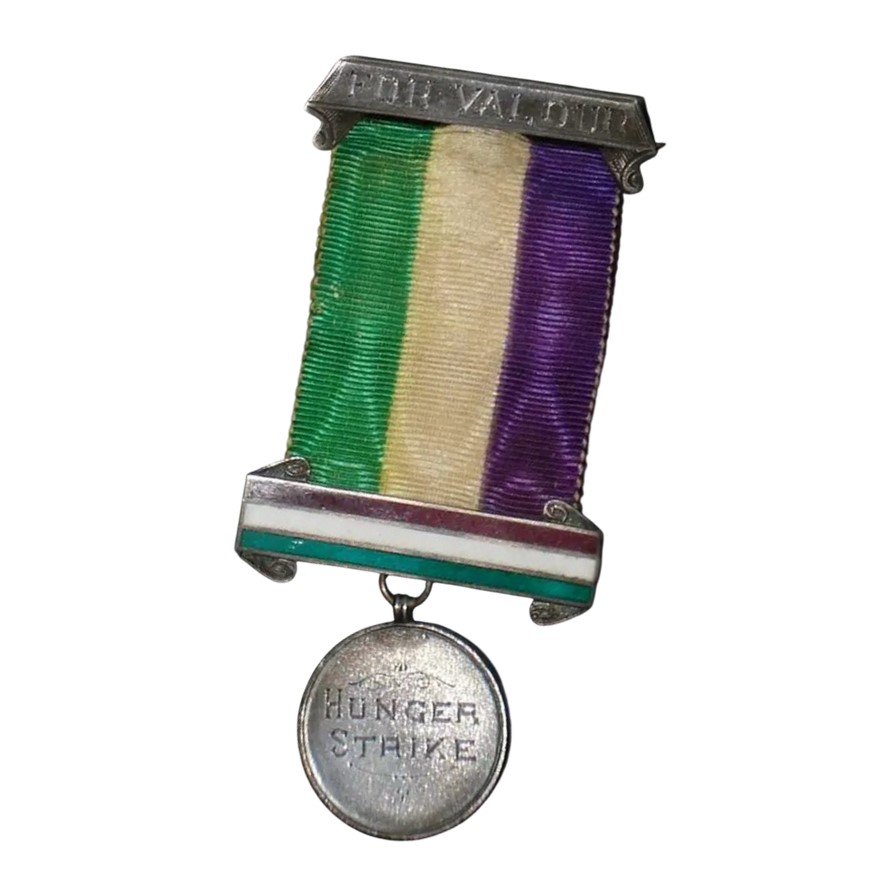
Needless to say these colours are and can be used in different ways for the day. You’ll see them used on images and in graphics shared on social media. Others wear clothing of these shades to show their support.
These colours are an obvious choice for floral designs. Not to mention that so many spring and seasonal flowers are these tones. Flowers such as tulips, narcissus, mimosa and ranunculus are just some of the flowers that would be perfect to include in a design and always available in early spring. Some of this list of spring flowers are included in our Best Flowers for International Women’s Day list.
International Women's Day Brief History
The Women’s Social and Political Union (WSPU) was a women-only political movement founded in the UK in 1903. The UK suffragette movement, as it was known from 1906, was led by figures like Emmeline Pankhurst and directly inspired the inception of International Women’s Day (IWD).
The earliest reported Women’s Day event, called “Woman’s Day”, was held on 28th February 1909, in New York City. It was organised by the Socialist Party of America. A year later in August 1910, an International Socialist Women’s Conference was organised in Copenhagen, Denmark. Delegates proposed the establishment of an annual “Women’s Day”, the 100 delegates, representing 17 countries, agreed with the idea as a strategy to promote equal rights.
The following year, on 19th March 1911, the first International Women’s Day was marked by over a million people in Austria-Hungary, Denmark, Germany, and Switzerland.
International Women’s Day initially had no set date. Americans continued to observe “Woman’s Day” on the last Sunday in February. International Women’s Day was observed for the first time in Russia on the 8th March 1913 (in the Gregorian calendar). A year later in 1914, International Women’s Day was held on 8th March in Germany for the first time. On the same day in London, a march in support of women’s suffrage saw Sylvia Pankhurst arrested on her way to speak in Trafalgar Square at the end of the march.
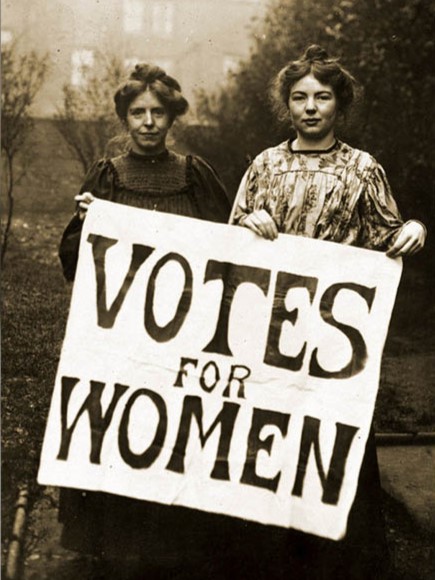
From then International Women’s Day was agreed to be marked annually on 8th March and this day has remained the global date for International Women’s Day ever since.
In 1967, International Women’s Day re-emerged as a day of activism. In the 1970s and 1980s, women’s groups joined together calling for equal pay, equal economic opportunity, equal legal rights, reproductive rights, subsidised child care, and the prevention of violence against women.
International Women’s Day was marked for the first time by the United Nations in 1975.
Jumping forward to 2026, we see IWD celebrate its extraordinary milestone: 115 years of collective action, advocacy, and progress toward gender equality.
You can read more about the history and time line of International Women’s Day HERE
Final thoughts…
For over a century, International Women’s Day has helped drive positive and transformative change, with each generation continuing to strive for progress and expand opportunities for women around the world.
Today, IWD is a truly global occasion. Millions take part every year, from communities and workplaces to governments, major brands, celebrities and world leaders. The day continues to evolve, adapting to highlight different challenges and priorities while celebrating the achievements and resilience of women everywhere.
Awareness continues to grow in the UK, and for florists this increasing recognition presents a natural opportunity. More people are discovering that flowers are one of the most widely shared gifts, whether it’s a simple bunch of spring flowers or a meaningful bespoke design.
It’s simple for you as a florist to highlight International Women’s Day. Whether that’s in-store or on social media. You can share the message and good wishes, encouraging customers to celebrate all women — and perhaps especially the women who inspire them.
In conclusion, however International Women’s Day is celebrated, it remains a reminder of the progress that has been made. And sometimes the smallest gestures — including the simple act of giving flowers — can carry a powerful message of appreciation, encouragement and support.