What you’ll discover below:
Get ready to discover the Top 5 Cut Flowers for April.
As we give expert insights into what’s back, best, and beautiful this month.
#1 Poppies | Papaver

Poppies! Or as you’ll find them listed Papaver – the Latin name.
Once the petals burst out of their textured protective sepals, they unfurl to make an incredible, eye-catching flower full of impact. The most popular way to buy them is the mixed bunch, which includes the range of available colours: cream, dark and light orange, pink (peachy tone), white, and yellow. Single colours are also available during the year.
The poppies are known by a few names including:
- Papaver nudicaule
- Poppy Bussana
- Icelandic Poppies
- Arctic Poppies


#2 Alliums
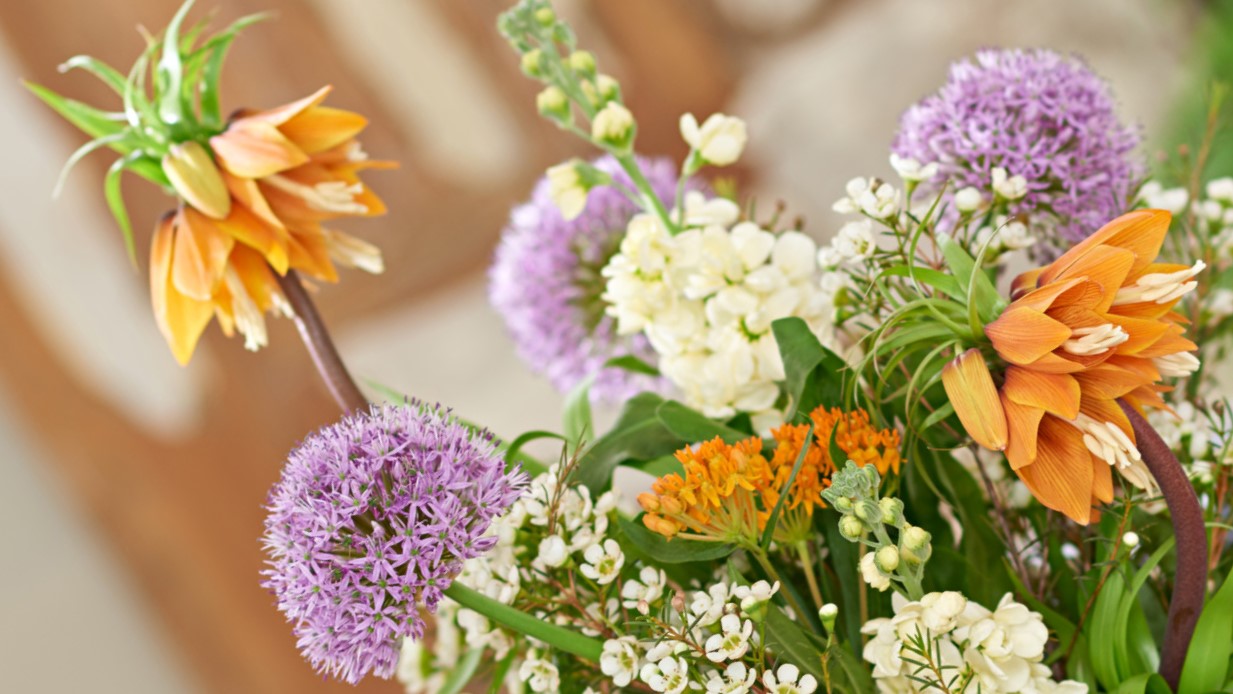
The selection of Alliums is quite mind-boggling, not just the range available, but their diversity. It was hard for us to choose a ‘small’ selection of varieties to share with you, but here are some showcasing different colours and more unusual shapes and forms.
#3 Fritillaria

Fritillaria Meleagris

Fritillaria Imperialis

Fritillaria Persica
Is it any wonder that Fritillaria are so loved? There are 27 different cut flower Fritillaria listed, including the dainty Fritillarias (the most popular being the snake’s head, Fritillaria meleagris), the attention-grabbing Fritillaria imperialis (also known as ‘Crown Imperial’), and the elegant Fritillaria persica varieties.
Whilst these three main groups are very different, they all share characteristic bell-shaped flowers, with their availability heralding spring.
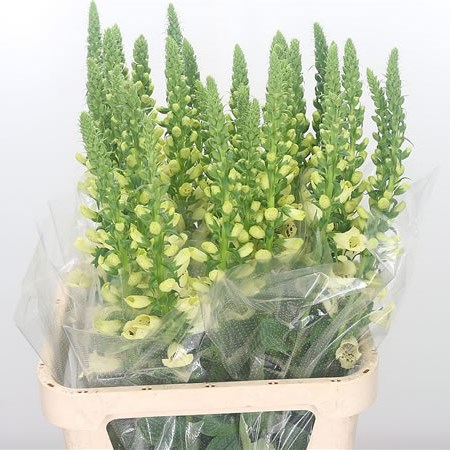
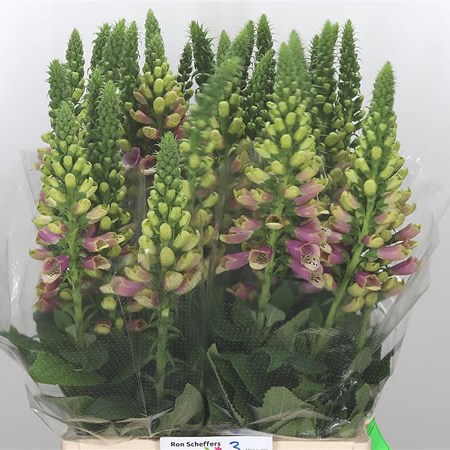
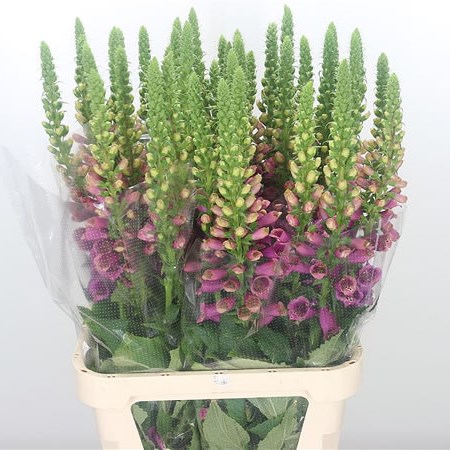
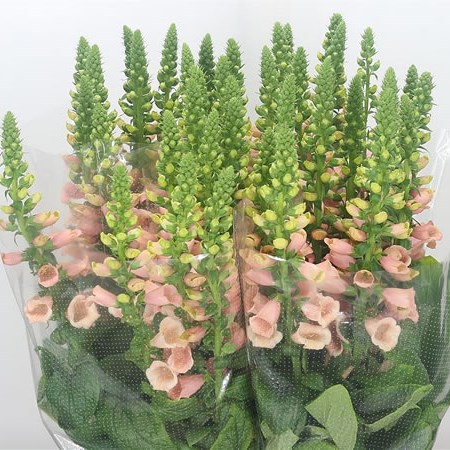
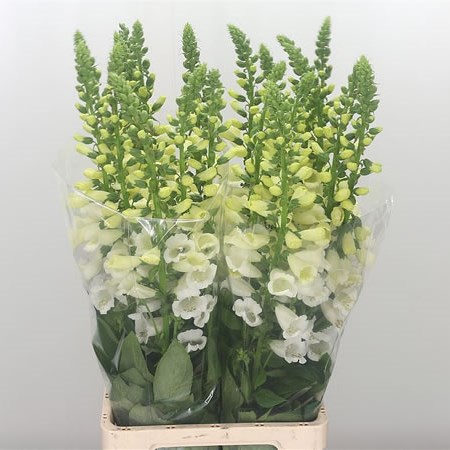
#4 Digitalis | Fox Gloves
During April we’ll see the return of Digitalis, or if you prefer, their common name, foxgloves. This is another flower that we’ve seen grow in popularity and in the number of varieties available.
Where to find them?
This is one of the very seasonal flowers that you’ll discover under ‘Diverse’.
#5 Genista
Fragrant, elegant, colourful and giving natural movement to designs – Genista has it all.
Genista is one of the original flowers to take up dye (now so popular with many other flowers). It’s this technique that allows the range of colours available.