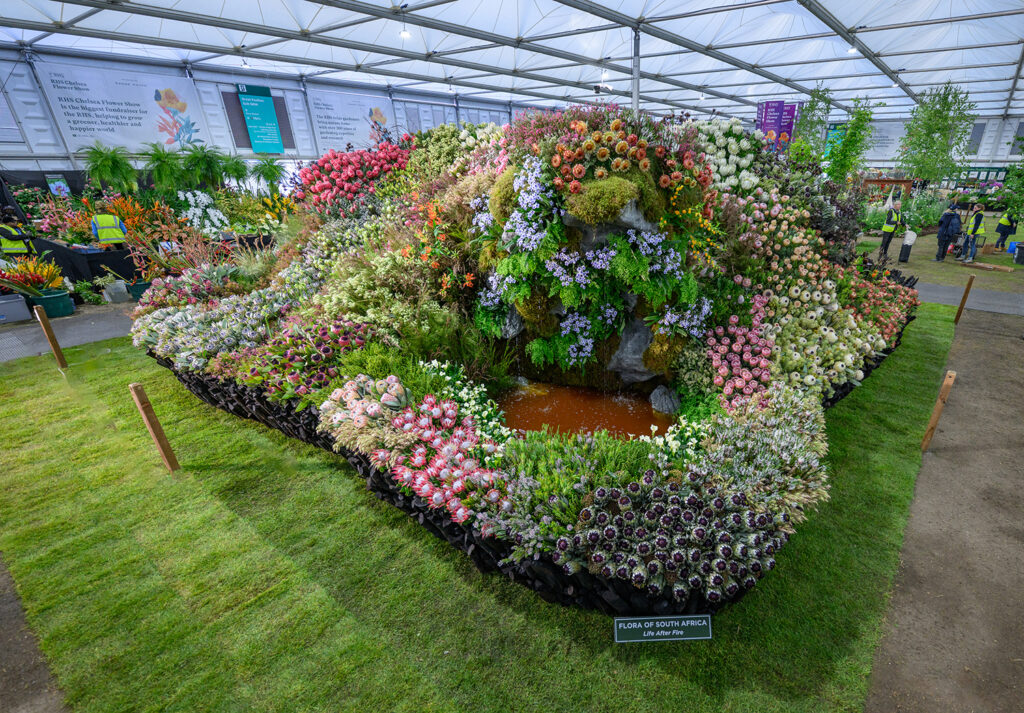
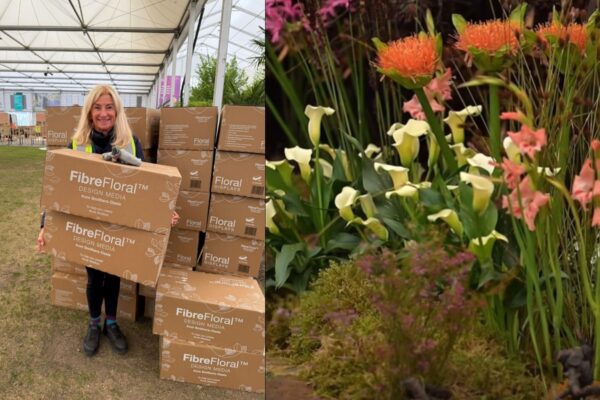
We were delighted to supply products to the South Africa 'Life After Fire' exhibit
Congratulations Leon, Tristan, Jenny and the rest of the team. We were delighted for you all – not only gaining another Gold Medal, but the coveted ‘Best Exhibit in the Great Pavilion’ award at the 2026 RHS Chelsea Flower Show in London.
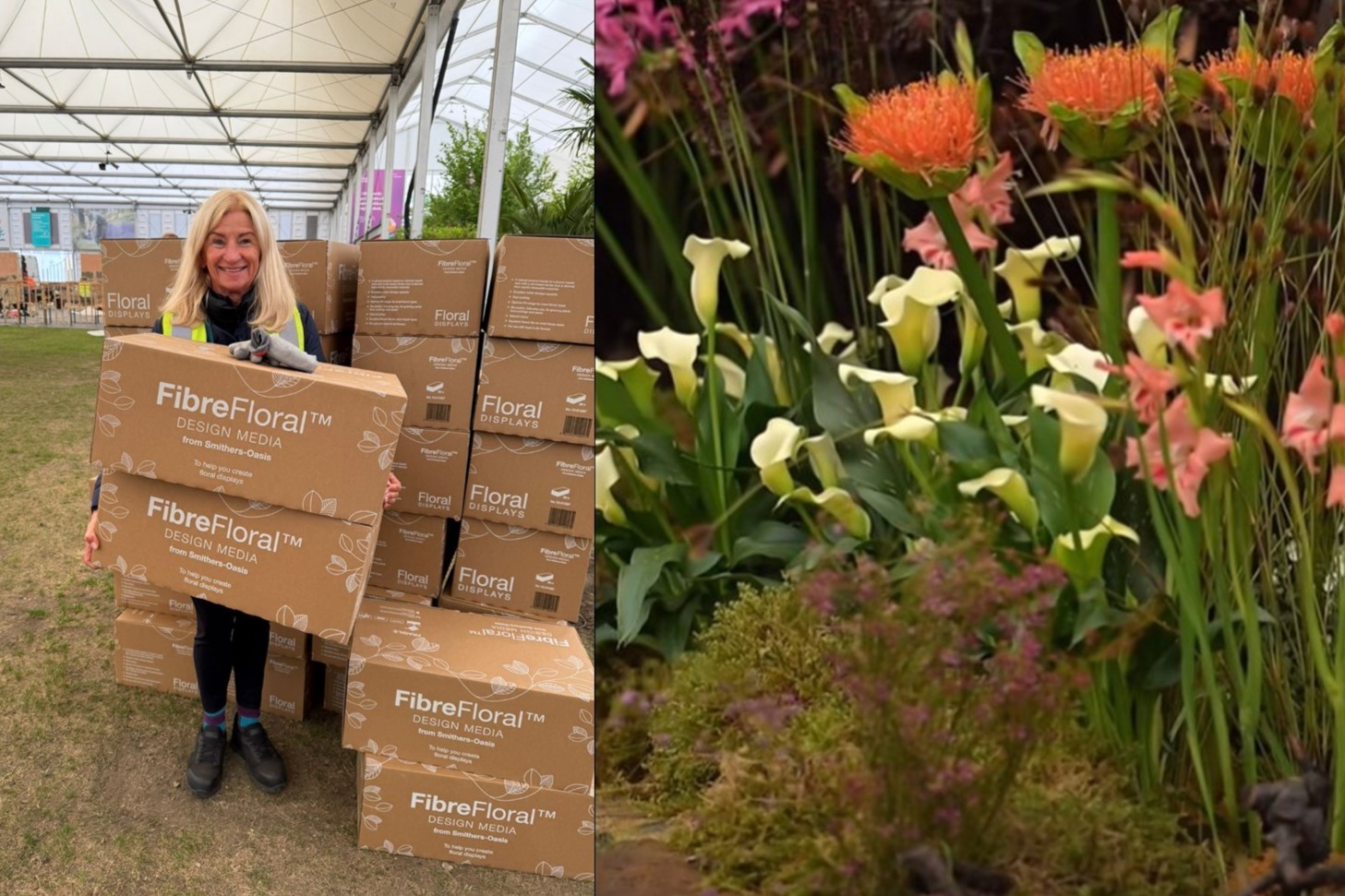
Whilst Westflor only played a very small part in providing products for the South African exhibit again this year, we wanted to share their success with you!
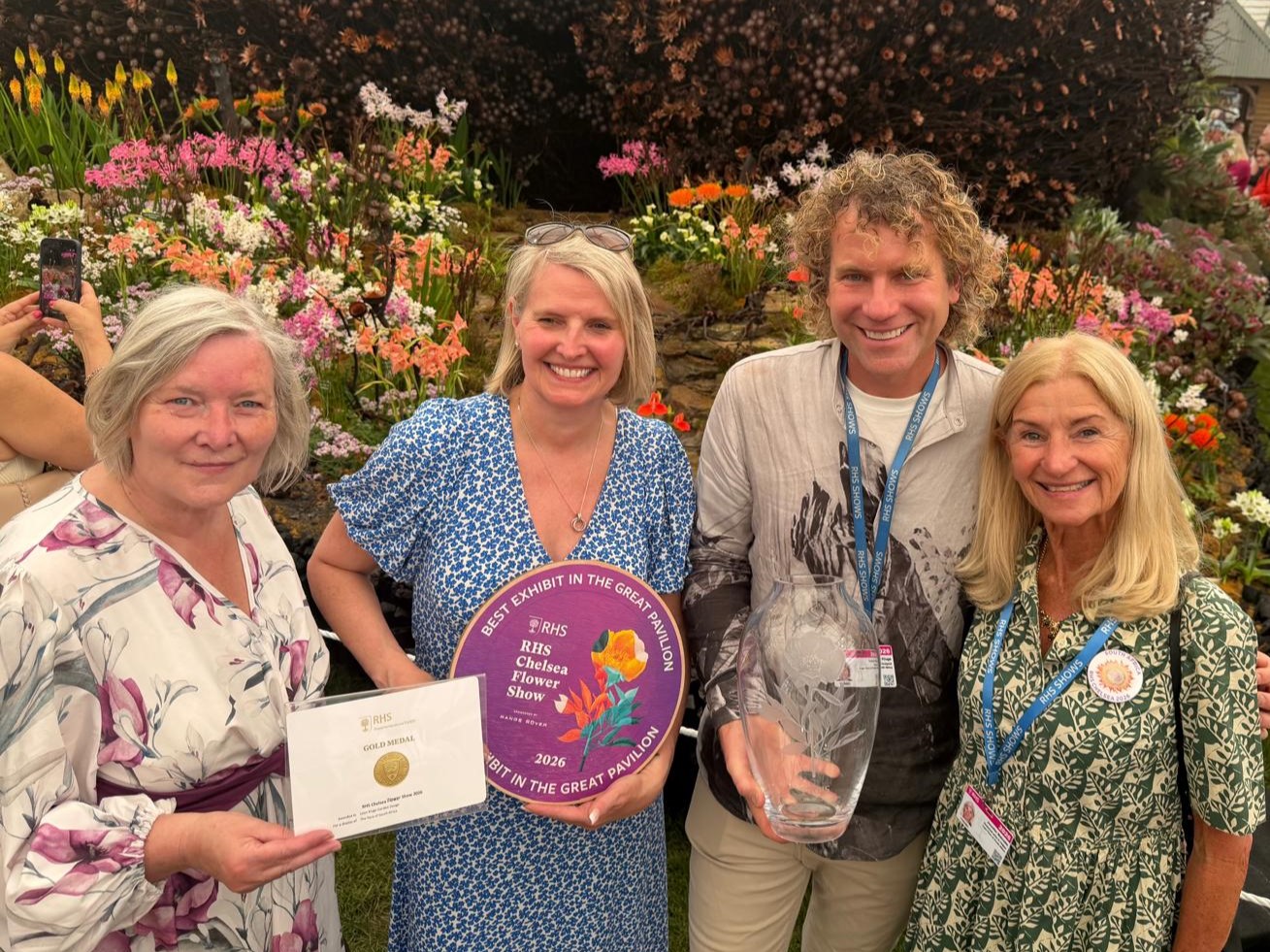
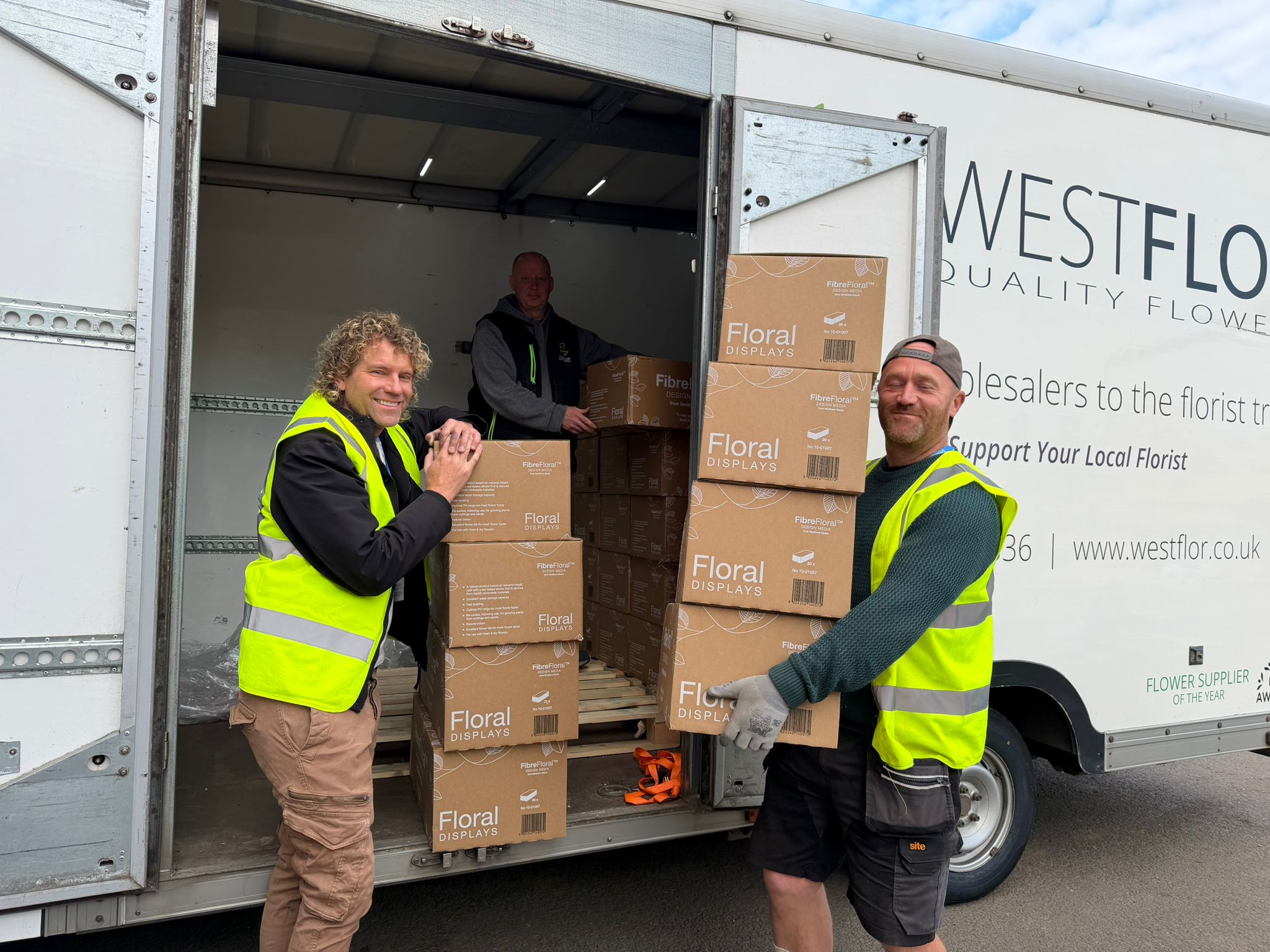
L – R: Sharon & Julie from Westflor, Leon Kluge & Jenny Malcolm.
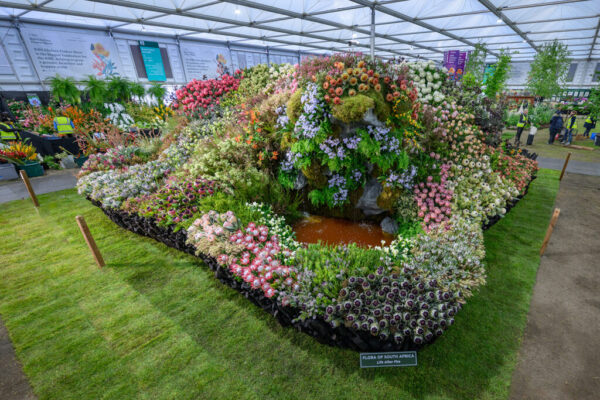
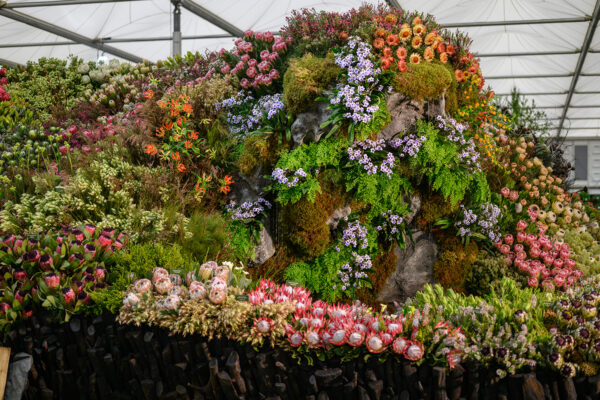
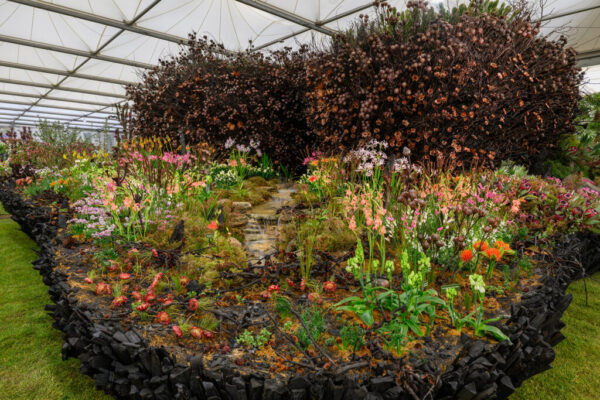
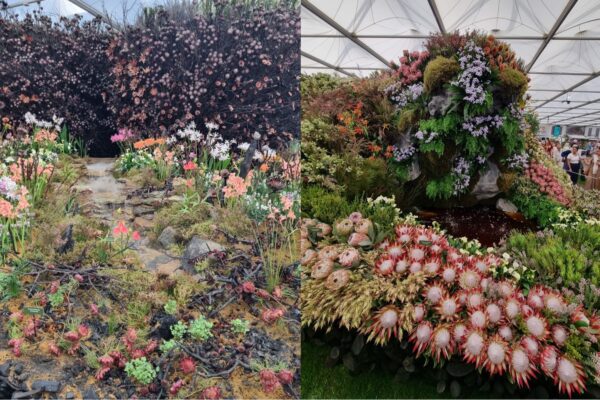
'Life After Fire' Exhibit
‘About the exhibit’
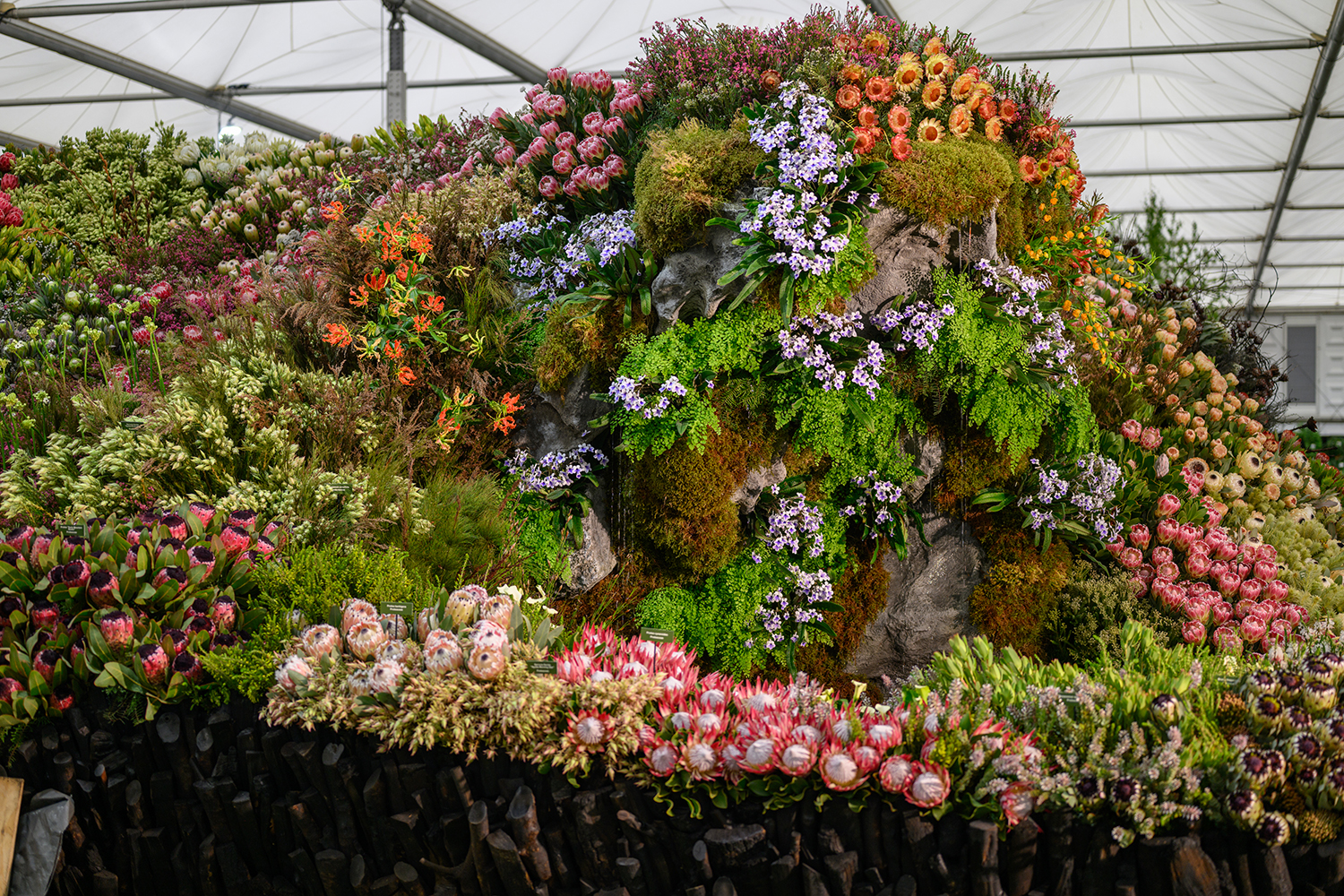
The wonderful South Africa Exhibit led by acclaimed landscape designer Leon Kluge, and the South African team showcased South Africa’s rich botanical heritage at the show, with a story that wasn’t what it might first appear to be!
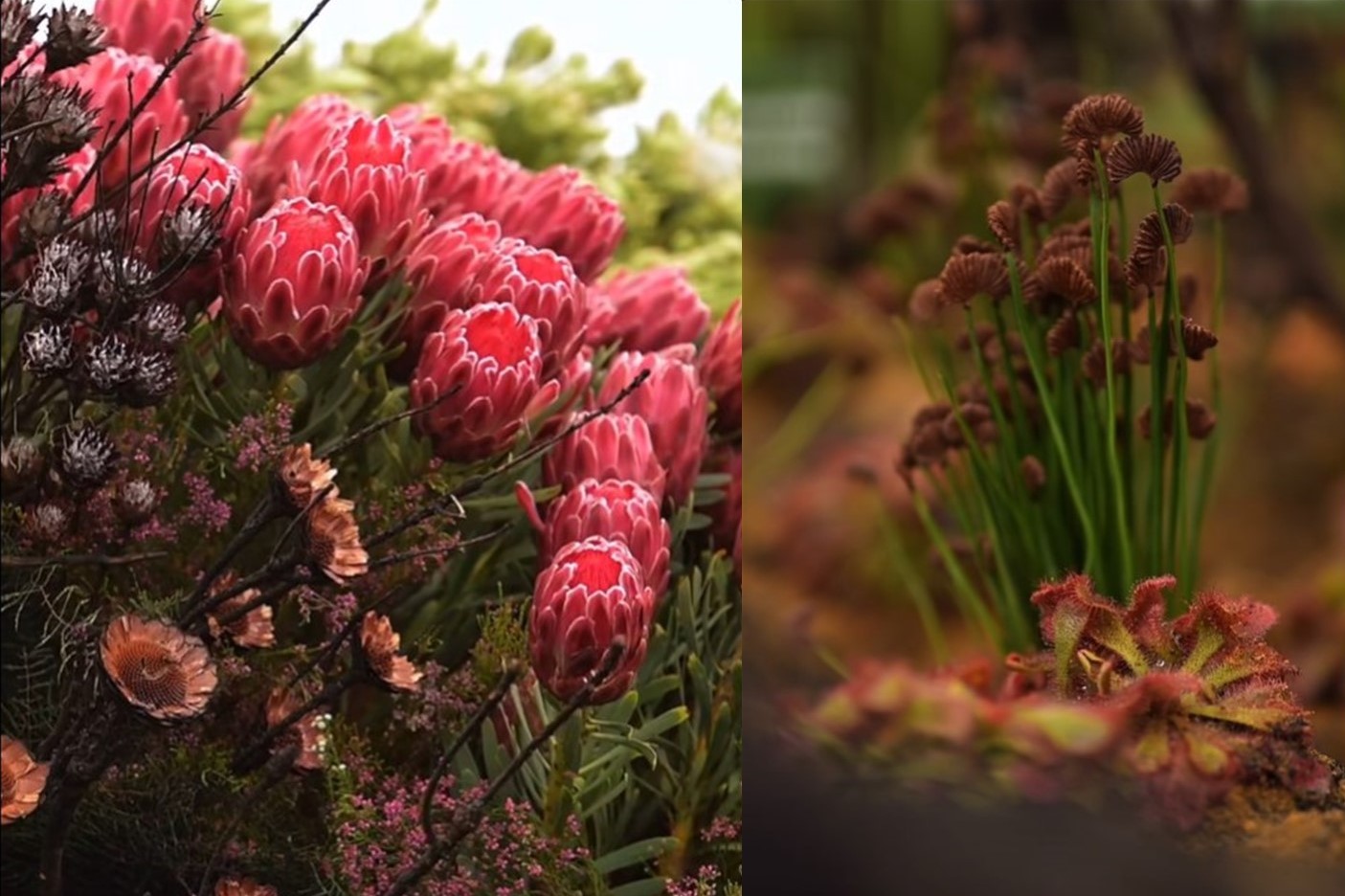
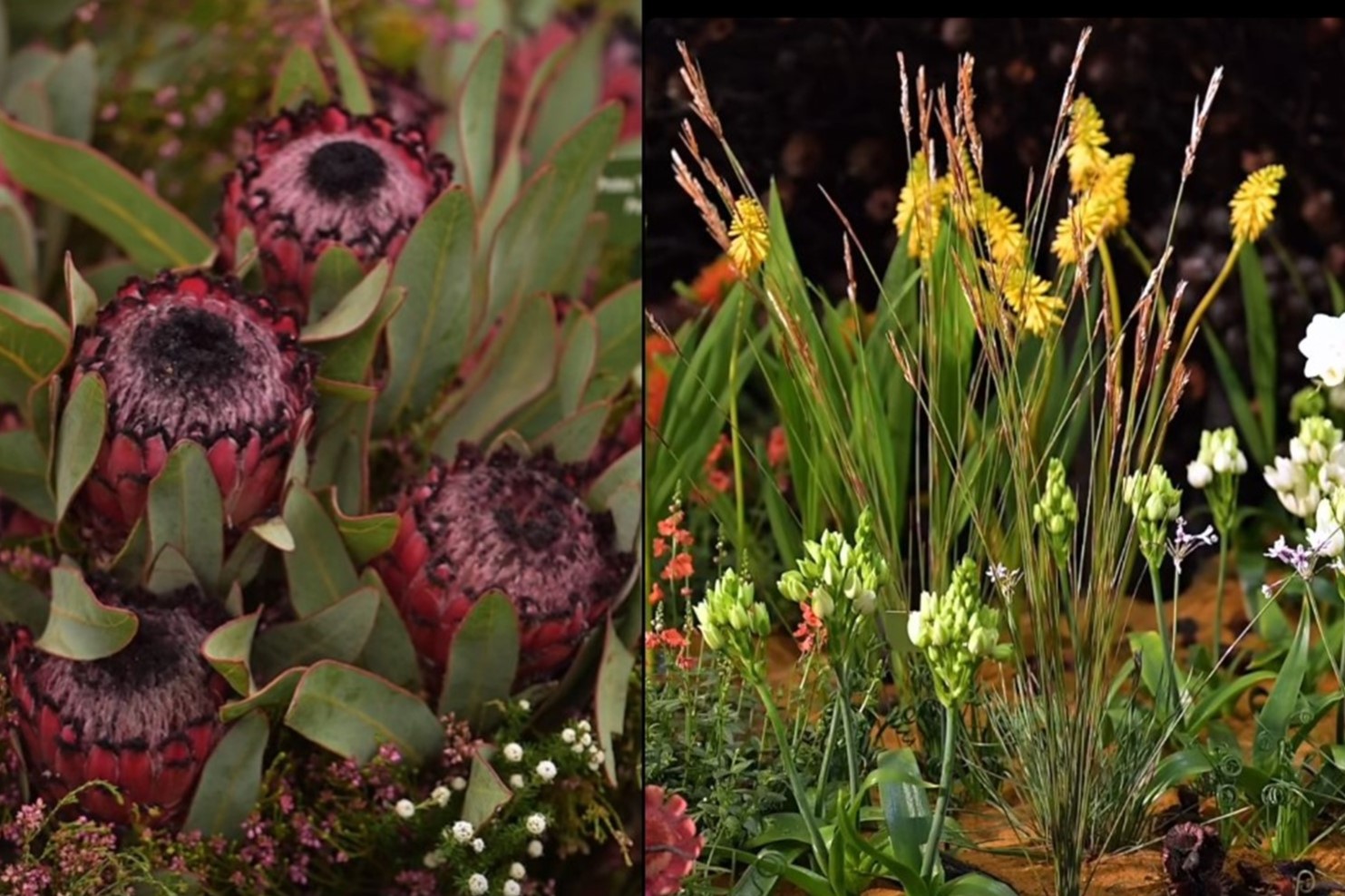
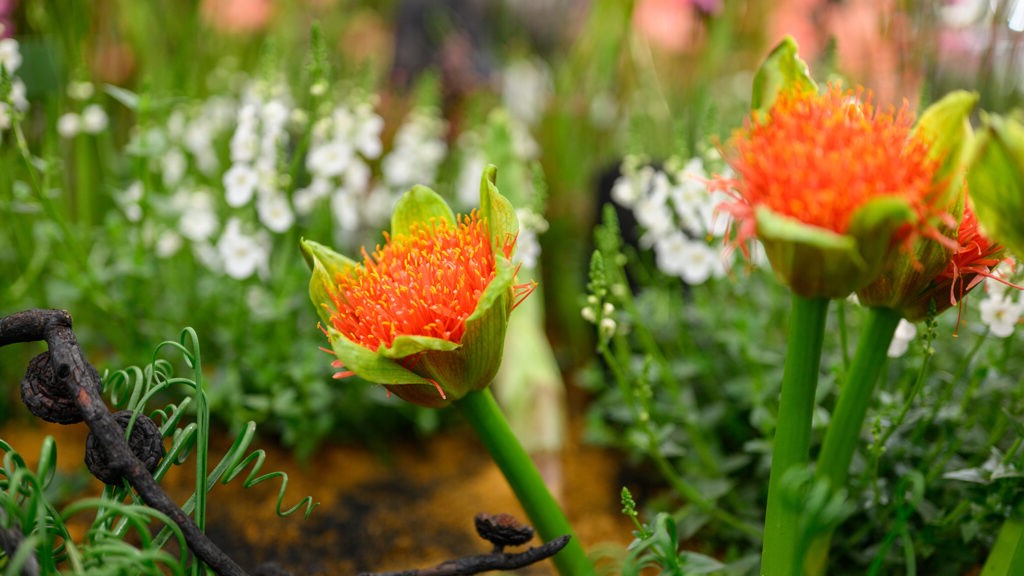
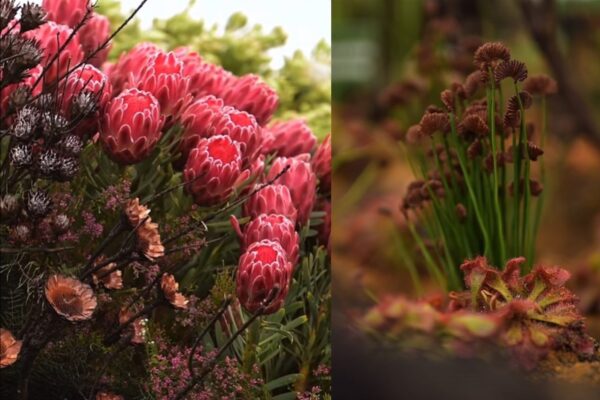
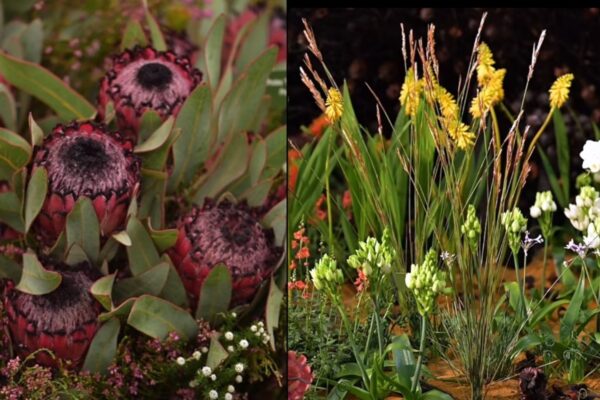
As might be expected, the exhibit included a huge amount of proteas, with many different varieties such as Protea Snow Leopard and Protea repens, as well as Protea cynaroides – King Protea – South Africa’s national flower. However, a large part of the display also contained a rich diversity of bulbs, orchids and other native wildflowers which can only emerge after fire has swept through the fynbos landscapes.
Fynbos is a unique, fire-dependent shrubland and heathland vegetation found primarily in the Western and Eastern Cape provinces of South Africa. Covering less than 0.5% of the African continent, this biodiversity hotspot is home to over 9,000 plant species, roughly two-thirds of which are entirely unique to the region.
A common misunderstanding
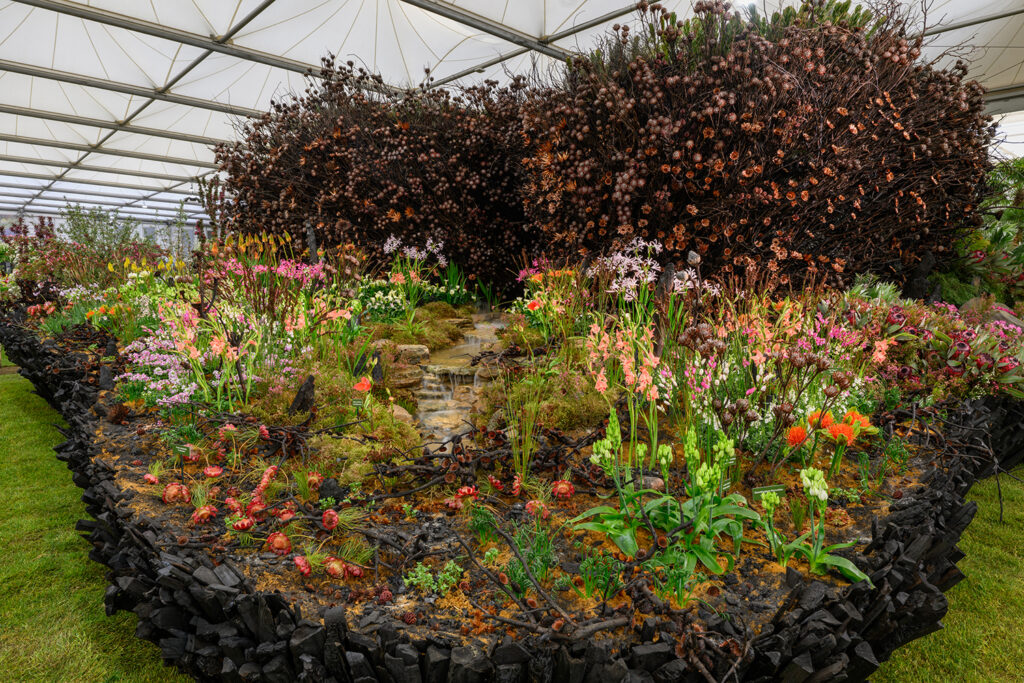
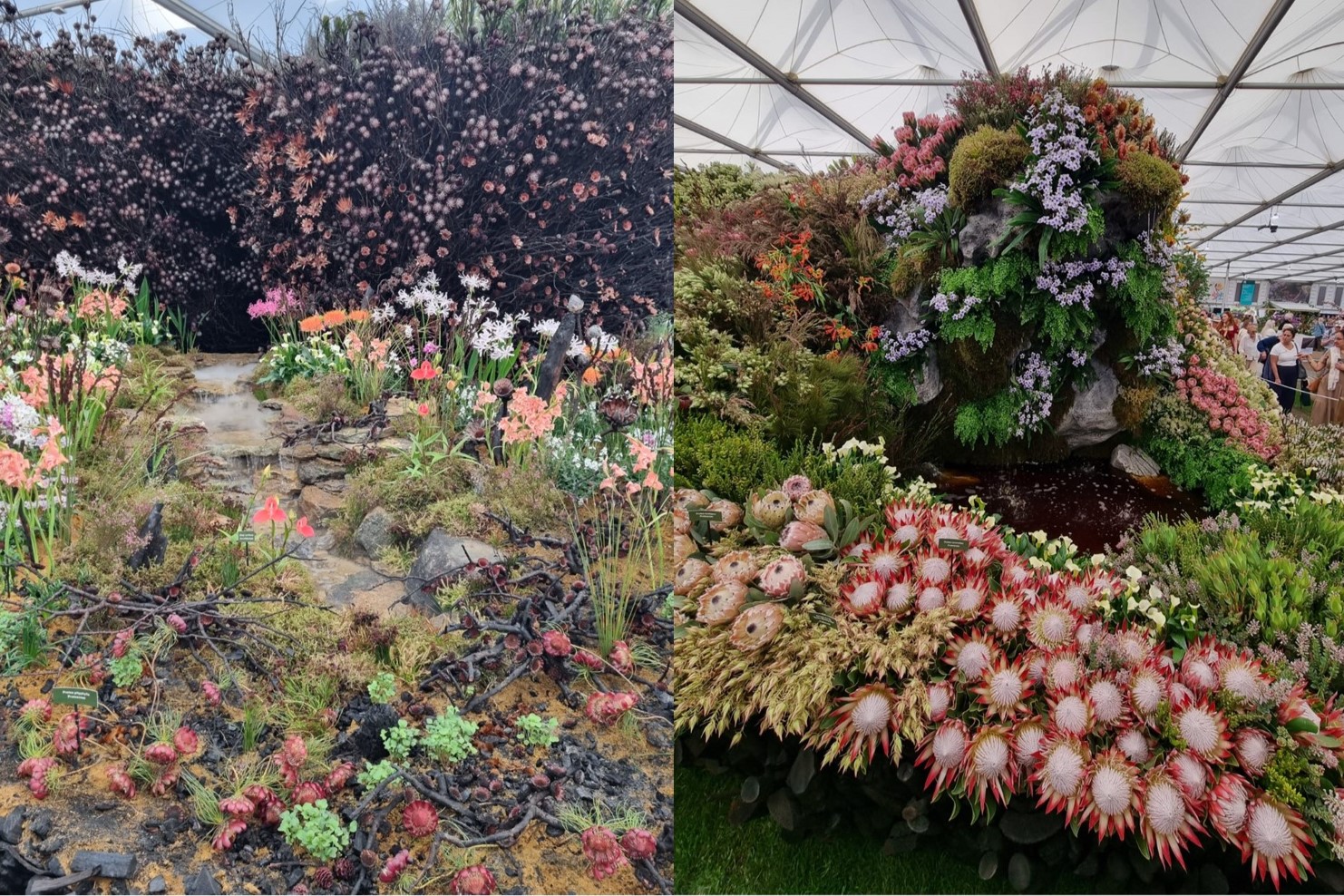
At first glance, it may seem like the ‘Life After Fire’ exhibit, inspired by the devastating wildfires that recently swept across parts of South Africa’s Cape region, highlighted the destruction and acted as a tribute to what was lost. However, it was anything but! It explains how the Cape’s fire-driven ecosystem is an essential natural cycle that many people don’t understand.
A story of rebirth through fire
Life After Fire explores the striking beauty of regeneration within the country’s fire-dependent fynbos ecosystem. Far from focusing solely on what may be seen as destruction caused by the fires, the installation highlights what naturally emerges afterward — resilience, renewal, and extraordinary biodiversity.
Leon explains: “Fire, as destructive and scary as it might seem to us as humans, is such an important part of creating a healthy ecosystem and biodiversity within fynbos.” He goes on to explain “The plants here have adapted over hundreds of thousands of years to fire.”
This is what led him to decide on making fire the main element within the garden. “Fire plays a crucial role in the fynbos landscape and without it we simply would not have the incredible biodiversity we enjoy on our doorstep.” So, whilst the inspiration was indeed the wildfires, the exhibit highlights their importance, how natural they are, and their positive benefits.
Watching the exhibit comes to life
It begins
Play time: 1:11
The flowers arrive
Play time: 4:05
A big push in setting up!
Play time: 3:46
The finishing touches!
Play time: 2:19
BBC Interview Introducing the Exhibit
Leon Kluge showcases the natural flora of the Western Cape of South Africa
Play time: 6:20